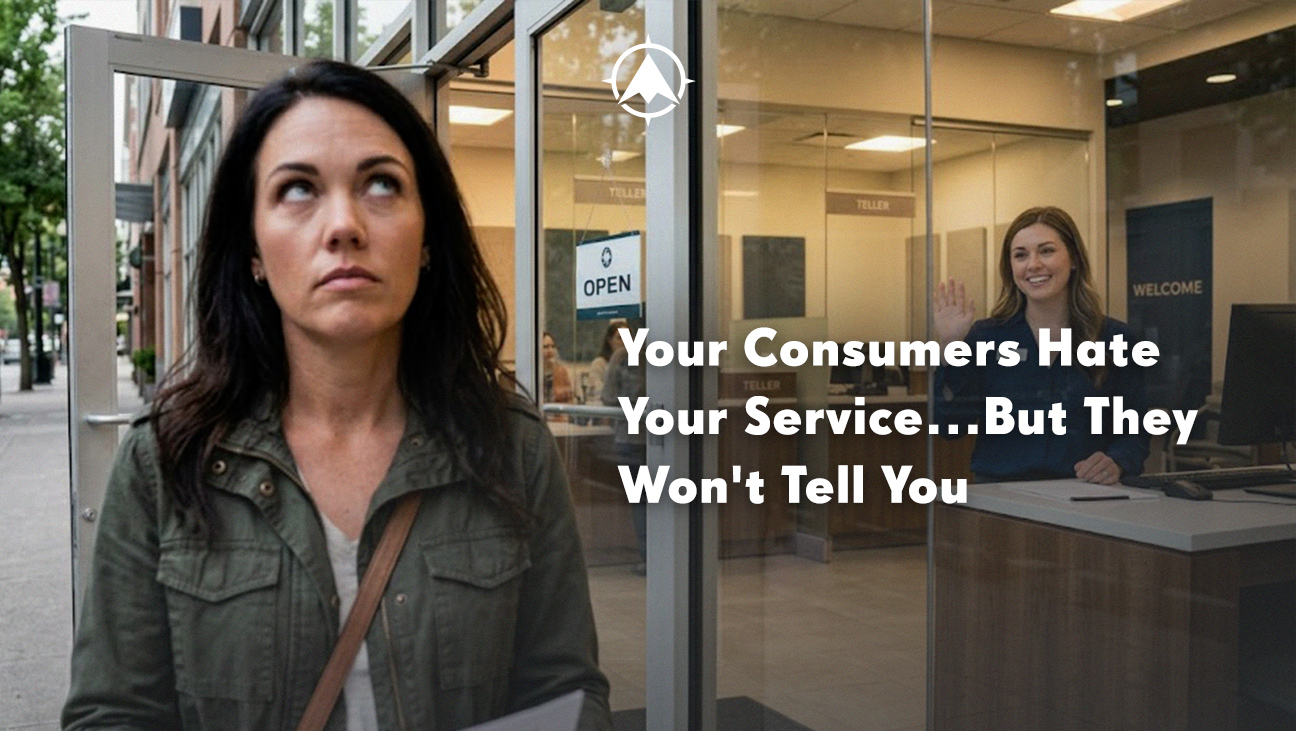
According to research from Lonely Entrepreneur, 96% of unhappy consumers who leave don’t complain to the business. But here’s what kills you: they tell 9-to-15 other people about the bad experience. That’s reputation damage happening in the dark — no feedback and no mechanism to help you fix (or even identify) the mistake.
Here’s a personal example. I called an Office Max customer service line once with a question about finding an item on their website. I couldn’t locate it, so I called for help.
The employee answered. I explained my problem. There was a pause, then they chided me because it was “obviously” in a certain location. Then, without another word, they hung up on me.
I never called back, I never left feedback, I never complained to anyone at Office Max. I just went somewhere else. And I told at least a dozen people about the rude employee who hung up on me.
Your consumers hate your service. But you won’t hear about it. You’ll just notice revenue declining, new customers disappearing and loyal members moving to competitors. And you won’t understand why.
Why Silence is Dangerous When Consumers Leave Your Business
Silence is dangerous. When consumers don’t complain, you assume everything is fine. You think your service is acceptable and you keep doing what you’re doing. Meanwhile, 96% of unhappy people are quietly leaving and badmouthing you to everyone in their circle.
This is the worst possible scenario because you have no opportunity to fix anything. You don’t know what’s broken. You can’t improve. You’re flying blind while your reputation crumbles in real time.
How to Identify Complaints
You can’t wait for complaints. You must actively seek out dissatisfaction.
Send surveys. But don’t just ask “How satisfied are you?” Ask specific questions and dig into friction points:
- “How easy was it to reach us?”
- “How quickly did we respond?”
- “Did we solve your problem?”
Interview lost consumers. Call people who left and ask why. Most will tell you if you ask directly. You’ll discover patterns — specific pain points, service failures or frustrations that drove them away.
Track your NPS (Net Promoter Score). But more importantly, read the comments. That’s where the truth lives.
Three Steps to Improve Your Small Business Service
1. Stop assuming your service is good. It probably isn’t as good as you think. Most business owners are shocked when they actually ask consumers what they think.
2. Identify the biggest friction points. Where are consumers getting frustrated? Where are they leaving? Fix those first. Don’t try to improve everything at once. Focus on what’s actively driving people away.
3. Create accountability. Train your team on what good service looks like. Hold them accountable to it. Make it clear that hanging up on consumers (or any version of that) is unacceptable.
Start Seeking Feedback!
Your consumers are leaving. They’re not telling you why…but they’re telling everyone else. That’s an existential threat to your business.
Stop waiting for feedback. Start actively seeking it. Because the silence isn’t golden, it’s deadly.
Ready to fix your service and stop losing business? Book a free consultation and let’s dig into the truth.